

Essential Eco-Friendly Disposal Practices for Modern Living
Modern living comes with convenience, but it also brings an increasing amount of waste that can harm the environment if not managed responsibly. Adopting eco-friendly disposal practices has become essential for households and businesses alike. These practices focus on minimizing landfill contributions, promoting recycling, and safely handling materials that could be hazardous if discarded improperly. From sorting recyclables and composting organic waste to responsibly disposing of electronics and appliances, every action matters in reducing environmental impact. Implementing eco-friendly disposal practices not only helps preserve natural resources but also fosters healthier communities and cleaner surroundings. By making thoughtful choices in how we manage waste, we can integrate sustainability seamlessly into modern lifestyles while supporting a greener future for generations to come.
Understanding the Importance of Eco-Friendly Disposal Practices
Adopting eco-friendly disposal practices is not just a trend—it’s a necessity for modern living. Proper waste management reduces pollution, conserves natural resources, and promotes a healthier environment for both humans and wildlife. These practices encourage responsible disposal of everyday items, from plastics and metals to organic waste and electronics. By understanding the environmental impact of careless disposal, individuals and communities can make more informed choices that reduce landfill contributions and greenhouse gas emissions. Prioritizing eco-friendly disposal practices helps create a sustainable lifestyle that benefits present and future generations while fostering cleaner, safer communities.
Sorting Waste: A Key Eco-Friendly Disposal Practice
One of the foundational eco-friendly disposal practices is proper waste sorting. Separating recyclables, compostables, and landfill-bound materials ensures that each type of waste is processed efficiently. Sorting waste at home or in the workplace prevents contamination of recyclables and makes recycling systems more effective. For example, keeping plastics, paper, and metals in designated bins ensures they can be properly recycled rather than ending up in landfills. Organic materials like food scraps should be directed to composting programs when possible. By implementing consistent sorting habits, individuals actively contribute to sustainable waste management and demonstrate a practical commitment to eco-friendly disposal practices.
Recycling Strategies for Effective Eco-Friendly Disposal Practices
Recycling is a cornerstone of eco-friendly disposal practices, helping to conserve raw materials and reduce energy consumption. Effective recycling goes beyond simply tossing items in a bin; it requires understanding local recycling guidelines and ensuring materials are clean and properly sorted. Paper, cardboard, glass, and certain plastics can be repurposed into new products, while metals can often be melted and reused indefinitely. Businesses and households can implement recycling strategies such as setting up clearly labeled bins, reducing single-use items, and supporting products made from recycled content. Consistent recycling efforts amplify the impact of eco-friendly disposal practices on the environment.
Composting and Organic Waste Management Tips
Managing organic waste through composting is an essential part of eco-friendly disposal practices. Food scraps, yard waste, and biodegradable materials can be transformed into nutrient-rich compost, reducing the volume of waste sent to landfills. Composting not only lowers greenhouse gas emissions but also enriches soil, supporting healthier gardens and landscapes. To implement effective composting, separate organic materials from regular trash, avoid non-biodegradable contaminants, and maintain proper moisture and aeration in compost bins. Community composting programs can also provide an accessible option for those without space at home. Integrating composting into daily routines strengthens sustainable habits central to eco-friendly disposal practices.
Safe Handling of Electronics and Hazardous Materials
Electronics, batteries, and certain household chemicals require careful disposal to prevent environmental contamination. Safe disposal is a critical component of eco-friendly disposal practices. Improperly discarded electronics can release toxic substances such as lead and mercury, while chemicals like paints and cleaners can seep into soil and water sources. To handle these items responsibly, locate certified recycling centers or participate in local hazardous waste collection events. Manufacturers often offer take-back programs for electronics. By adhering to proper disposal guidelines, individuals reduce environmental harm, protect public health, and uphold the standards of eco-friendly disposal practices in modern living.
Reducing Household Waste Through Eco-Friendly Disposal Practices
Reducing the amount of waste generated is just as important as disposing of it responsibly. Eco-friendly disposal practices include proactive measures like choosing reusable products, minimizing packaging, and repurposing materials whenever possible. Simple actions such as using cloth bags, avoiding single-use plastics, and buying in bulk can significantly decrease household waste. Additionally, being mindful about purchases and avoiding items with short lifespans supports sustainability. By focusing on waste reduction, families and individuals contribute to a more efficient disposal system, lower environmental impact, and a culture of conservation that aligns with modern eco-friendly disposal practices.
Community Initiatives Supporting Eco-Friendly Disposal Practices
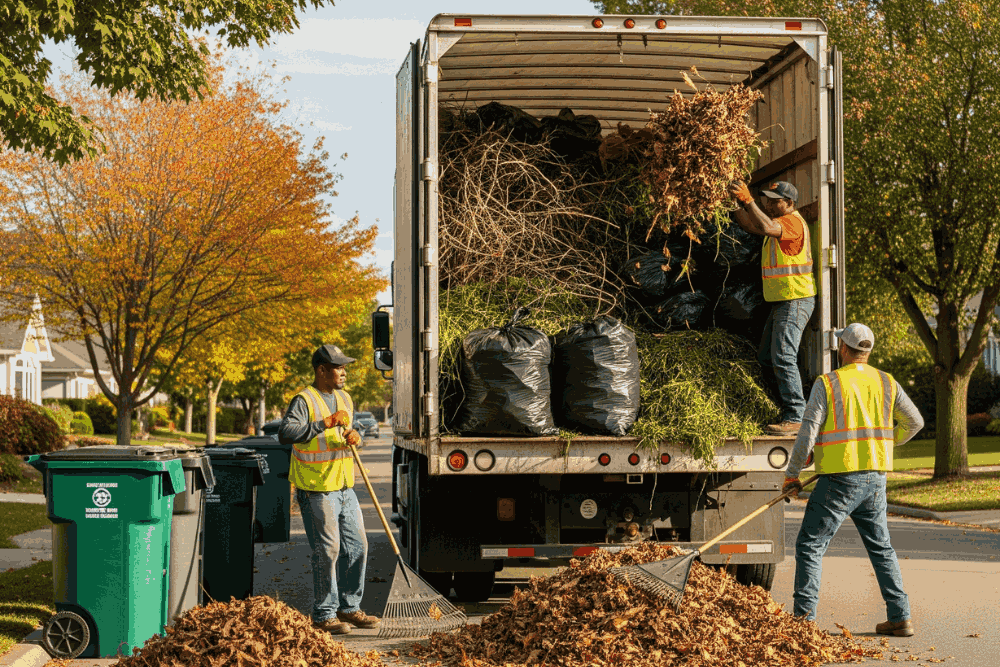
Communities play a vital role in promoting eco-friendly disposal practices by offering resources and programs that make sustainable waste management accessible. Local governments often provide curbside recycling, composting facilities, and hazardous waste drop-off events. Schools, workplaces, and neighborhood groups can organize clean-up drives, educational workshops, and donation campaigns for reusable items. These initiatives encourage collective responsibility and amplify the impact of individual efforts. By participating in community programs, residents not only support environmental sustainability but also foster stronger connections and awareness within their neighborhoods. Collaborative action reinforces the principles of eco-friendly disposal practices on a larger scale.
Conclusion
mplementing eco-friendly disposal practices is a crucial step toward a cleaner, healthier, and more sustainable environment. Whether you’re managing household waste, electronics, or large items, making responsible choices reduces landfill contributions, protects natural resources, and supports your community’s well-being. At Curbside Property Services, we understand the importance of proper disposal and provide professional, reliable services to help Flat Rock residents and businesses manage their waste responsibly. Our team handles everything from bulky junk removal to safe disposal of electronics and hazardous materials, making it easy to adopt sustainable practices without the stress.
Take the first step toward a greener home or workplace today. Contact Curbside Property Services at (734) 775-3190 or email brian@curbsidesvcs. com to schedule your eco-friendly disposal service and experience professional support that aligns with modern, sustainable living.